Four Hours, Zero Spend Pressure: The Quiet Economics of Letting People Linger
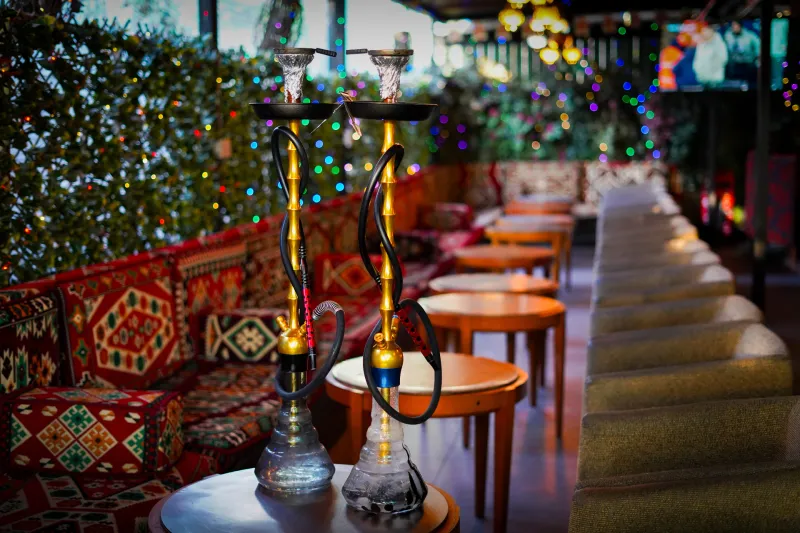
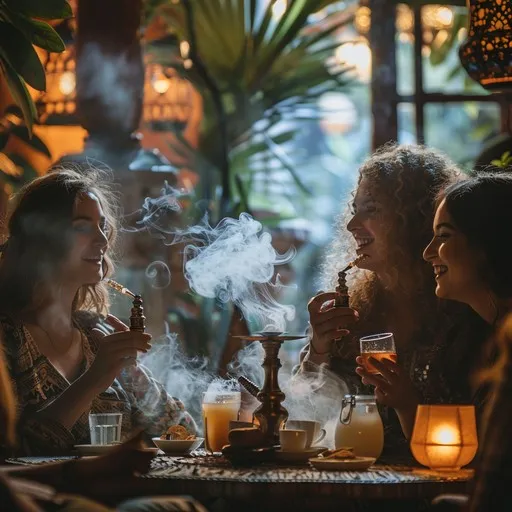
Photo: shisha lounge interior moody lighting friends talking evening, via ishtarlounge.com
There's an unwritten contract at most British restaurants. You sit, you order, you eat, and somewhere around the second refill of tap water, a server begins the gentle choreography of hurrying you along. The bill arrives unasked. The card machine appears before you've asked for it. You're not being thrown out — but you're certainly not being encouraged to stay.
At a shisha lounge, that entire script is inverted. And it's worth talking about why, because it's not generosity or accident. It's business — just a different kind.
The Restaurant Clock vs the Lounge Clock
A restaurant lives and dies by covers per service. A 60-seat dining room doing two turns on a Saturday night has 120 chances to make money. Every minute a table sits with finished plates and lingering guests is a minute that table isn't earning. It's why chain restaurants design chairs that get uncomfortable after 45 minutes, why the lighting is bright enough to read the exit sign, and why dessert menus arrive with your mains.
Our model runs on a different clock. A hookah session is, by its nature, slow. Coals need refreshing. Flavours get swapped. Conversations stretch. A table of four might arrive at eight and still be there at midnight — and economically, that's not a failure of the system. That is the system.
The shisha itself carries margins that restaurant kitchens can only dream of. Which means every extra hour a table stays isn't lost revenue; it's usually additional revenue — another coal change, another round of mint tea, another dessert nobody planned on. The smoke pays the rent. The food and drinks sweeten the deal.
Why the Big Chains Can't Copy It
You might wonder why Wagamama or Nando's haven't simply decided to let people camp out all evening. The answer is structural, not cultural.
A chain's economics are built on throughput. Their labour model, their property costs, their shareholder expectations — all of it assumes a table turns within a predictable window. Let one party of six nurse two cokes for four hours and the whole spreadsheet wobbles. They'd need a revenue stream that rewards long dwell times, and a grilled chicken pitta doesn't provide one.
There's also the licensing and regulatory reality: hookah sits in a specific legal category in the UK, with smoking rules that shape the whole layout of a venue — often pushing it outdoors or into dedicated spaces. That infrastructure is a genuine investment, and it's precisely what creates the moat. A lounge isn't a restaurant with ashtrays. It's a different business wearing some of the same clothes.
What Happens When You Remove the Squeeze
Here's the part we genuinely care about, beyond the spreadsheets. British hospitality culture has trained people to feel guilty about occupying space. The subtle anxiety of "should we order more or give up the table?" is so embedded most of us don't notice it anymore.
Take that pressure away and something interesting happens. People relax into an evening instead of performing one. They order a second round because they want it, not because they feel obliged. They come back the following week because last week didn't feel like a transaction.
Loyalty is the currency that replaces turnover. A table that visits twice a month for a year is worth more than one that came once, spent big, and left feeling rushed. In an era when everyone complains that a night out costs a fortune, the lounge offers something quietly radical: a venue where the cheapest option — simply staying put — is the intended one.
Lingering as a Learned Skill
There's a Mediterranean and Middle Eastern tradition of the long evening that British hospitality has historically struggled to import. Tapas bars in Madrid, ahwa coffee houses in Cairo, meyhanes in Istanbul — the expectation is that you settle in, and the venue arranges itself around your presence rather than your bill.
Post-pandemic, with more of us working from home and starved of genuine third places, that kind of space matters more than it used to. A lounge where nobody checks their watch, where the four-hour session is normal rather than exceptional, is doing something UK high streets badly need: teaching us how to linger again.
So no, we won't be bringing the bill over early. The coals will last as long as the conversation does. That's not us being soft — it's the whole point.